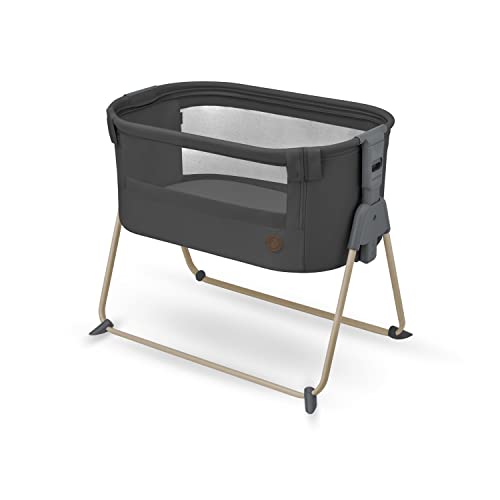
The Essential Guide to Bedside Cots for Comfortable Sleep
In the journey of parenthood, among the most substantial obstacles new parents face is ensuring their baby sleeps conveniently while likewise approving them comfort. Bedside cots, likewise referred to as co-sleepers or bedside sleepers, have gotten appeal as an option to this predicament. By enabling parents to keep their infants close throughout the night, these cots promote security, benefit, and comfort. This short article delves into the advantages, features, and aspects to consider when picking a bedside cot, along with responding to often asked questions to assist parents in making notified decisions.
What is a Bedside Cot?
A bedside cot is a kind of crib created to be positioned next to the parent's bed. Lots of models feature a side that can be decreased or completely gotten rid of, allowing easy access to the baby throughout sleep. This design not only facilitates nighttime feedings however also establishes a safe sleeping environment for infants.
Table: Features of Popular Bedside Cots
| Function | Description |
|---|---|
| Security Standards | Should meet or go beyond safety compliance guidelines (e.g., ASTM, CPSC) |
| Height Adjustment | Adjustable legs to accommodate different bed heights |
| Breathable Materials | Fit together sides for ventilation and visibility |
| Mobility | Light-weight and collapsible for easy transportation |
| Storage Options | Integrated storage solutions for keeping basics close |
Advantages of Using a Bedside Cot
Boosted Convenience
One of the main advantages of bedside cots is convenience. Parents can quickly address their baby's requirements without needing to leave their bed. This can be particularly valuable throughout late-night feedings or diaper modifications.
Improved Bonding
Having the ability to see and hear their infant throughout the night fosters a more powerful psychological connection. Babies feel more safe and secure when they are close to their parents, which can lead to much better sleep for both parties.
Minimized Risk of SIDS
Some research studies recommend that co-sleeping in a bedside cot might lower the risk of Sudden Infant Death Syndrome (SIDS), as parents are more likely to see if their baby is having trouble breathing or remains in distress.
Encourages Independent Sleep
While infants might initially count on closeness to fall asleep, having a bedside cot can motivate them to develop independent sleeping practices over time. Bedside Cot For Contemporary Design permits a seamless transition from distance to self-reliance.
Factors to Consider When Choosing a Bedside Cot
- Safety Standards: Always confirm that the cot follows the current security policies. Try to find certifications showing compliance with safety standards.
- Size and Fit: Ensure the cot fits snugly beside the moms and dad's bed. Adjustable height settings are a crucial function to accommodate numerous bed types.
- Product Quality: Opt for cots made from non-toxic materials with breathable materials. This guarantees the baby is safe while also permitting great air flow.
- Reduce of Use: Look for functions that enhance usability, such as easy foldability, detachable sides, and convenient storage compartments.
- Portability: If you travel regularly, think about a cot that is light-weight and easy to disassemble or transport.
Popular Bedside Cot Options
The market is flooded with alternatives, making it important to pick wisely. Here are some popular choices:
1. Chicco Next2Me
- Adjustable height settings
- Easy attachment system
- Breathable mesh side panels
2. Halo Bassinest
- Rotates 360 degrees for easy access
- Nightlight and soothing sounds
- Adjustable height to fit numerous beds
3. BabyBjörn Cradle
- Easy design with natural components
- Rocking function to soothe the baby
- Compact size for easy positioning
4. Snuggle Me Organic
- Made from non-toxic materials
- Supplies gentle co-sleeping assistance
- Portable and easy to bring
5. Fisher-Price Soothing Motions Bassinet
- Mild motion and relaxing vibrations
- Variety of noises to relieve infants
- Adjustable height for bedside use
Frequently Asked Questions About Bedside Cots
1. Are bedside cots safe for newborns?
Yes, bedside cots are created specifically for infants and stick to rigorous safety requirements. Nevertheless, always make sure appropriate setup and follow producer standards.
2. What is the recommended age for utilizing a bedside cot?
Generally, bedside cots are safe for use from birth until the baby begins to rise on their hands or knees, typically around 6 months of age.
3. How do I clean up a bedside cot?
Follow the producer's cleaning directions. Many designs include removable and washable fabric covers for easy upkeep.
4. Can bedside cots be utilized with all bed types?
Numerous bedside cots use adjustable heights and can be adapted for different bed designs, including platform and tall beds.
5. How do I know if my baby is ready to transition from the cot?
Signs may consist of increased movement and the ability to stay up or crawl. Constantly consult a pediatrician if uncertain about transitioning.
Bedside cots provide new parents a trusted and comfortable option for infant sleep needs, mixing security with the benefit of keeping babies close throughout the night. By understanding their functions and advantages, along with considering necessary factors when selecting one, parents can boost their and their kid's sleep experience. By offering a nurturing environment for sleep, bedside cots contribute to the overall wellness of both parents and infants, making the journey into being a parent just a bit simpler.